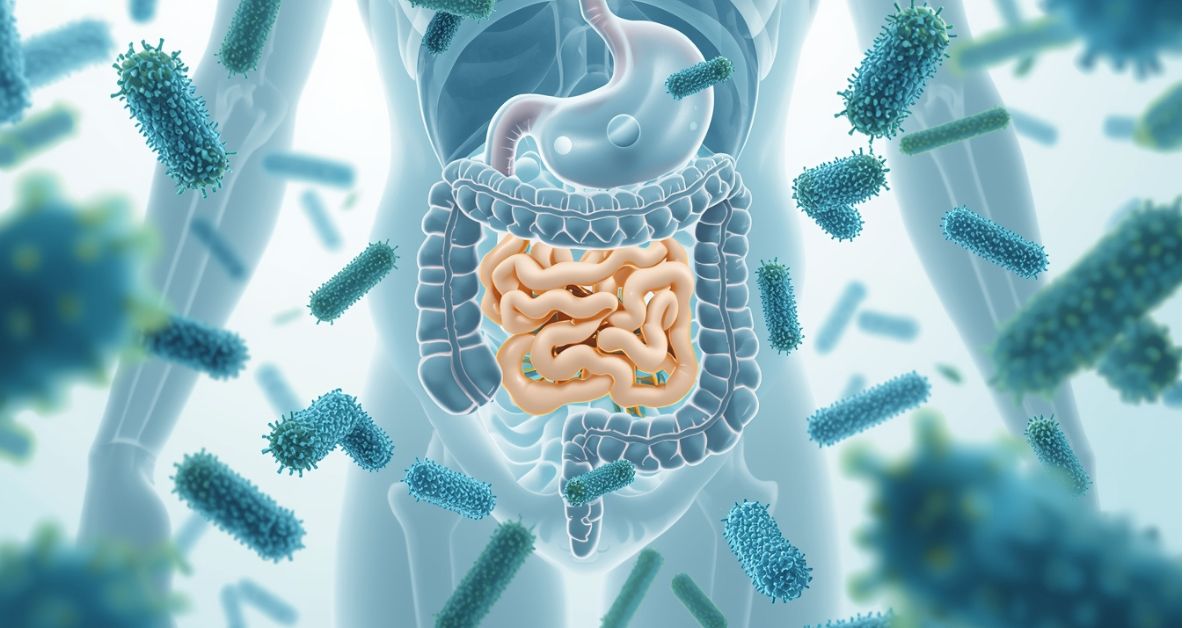
Gut microbiota and weight loss are closely connected, even though many people are unaware of how strongly gut health can influence body composition. The gut microbiota consists of trillions of microorganisms living in the digestive tract, playing a fundamental role in digestion, metabolism, inflammation control, and energy regulation.
Recent scientific research shows that an imbalanced gut microbiome may contribute to weight gain and make weight loss more difficult, even when diet and physical activity are well managed.
What Is Gut Microbiota?
Gut microbiota refers to the community of bacteria, fungi, and other microorganisms that reside mainly in the intestines. These microorganisms are essential for maintaining digestive health and overall metabolic balance.
A healthy gut microbiota helps the body:
- Break down complex carbohydrates and fibers
- Absorb nutrients efficiently
- Produce vitamins such as B vitamins and vitamin K
- Regulate immune system responses
- Maintain metabolic stability
When this ecosystem is balanced, the body functions more efficiently. When it is disrupted, several health issues may arise.
Gut Microbiota and Weight Loss: How They Are Connected
The relationship between gut microbiota and weight loss is linked to how gut bacteria influence metabolism and fat storage. Certain bacterial strains are associated with increased energy extraction from food, while others help regulate appetite and reduce inflammation.
An unhealthy gut microbiome may:
- Slow down metabolic processes
- Increase insulin resistance
- Promote chronic low-grade inflammation
- Alter hunger and satiety hormones
These factors can make it harder for the body to burn fat effectively.
How Gut Microbiota Affects Metabolism
Gut Microbiota and Weight Loss
Gut bacteria interact directly with metabolic pathways. They influence how calories are processed and how fat is stored or used for energy.
Studies suggest that individuals with reduced microbial diversity often experience:
- Slower metabolic rates
- Increased fat accumulation
- Difficulty maintaining a healthy weight
This explains why two people with similar diets may experience very different weight loss results.
Common Causes of Gut Microbiota Imbalance
Gut Microbiota and Weight Loss
Several lifestyle factors can negatively impact gut health, including:
- Diets low in fiber
- High consumption of processed foods and sugar
- Frequent antibiotic use
- Chronic stress
- Poor sleep quality
Over time, these factors disrupt bacterial balance, affecting metabolism and weight regulation.
Can Improving Gut Health Support Weight Loss?
Gut Microbiota and Weight Loss
Improving gut health may support gut microbiota and weight loss by restoring balance and reducing inflammation. Common strategies include:
- Increasing fiber intake from fruits, vegetables, and whole grains
- Consuming fermented foods
- Managing stress levels
- Prioritizing sleep consistency
Some individuals also explore targeted approaches such as gut-focused nutritional strategies designed to support microbial balance.
Why Gut Health Matters Beyond Weight Loss
Beyond weight management, a balanced gut microbiota supports:
- Digestive comfort
- Immune health
- Hormonal balance
- Overall well-being
This highlights why gut health is considered a foundation of long-term metabolic health.
Supplements designed to support gut health
Conclusion
The connection between gut microbiota and weight loss is supported by growing scientific evidence. A healthy gut plays a crucial role in metabolism, inflammation control, and energy regulation. Supporting gut balance may help create better conditions for sustainable weight management and overall health.
Frequently Asked Questions
Can gut microbiota imbalance prevent weight loss?
Yes. An imbalanced gut may slow metabolism and disrupt appetite regulation.
Is gut health important even with a good diet?
Yes. Gut health influences how effectively the body uses nutrients and energy.
The Long-Term Impact of Gut Microbiota on Weight Management
Understanding the relationship between gut microbiota and weight loss is not only important for short-term results, but also for long-term weight management. A balanced gut microbiome helps stabilize metabolic processes over time, reducing the likelihood of weight regain after initial loss.
When gut bacteria diversity is maintained, the body becomes more efficient at regulating blood sugar levels, managing inflammation, and responding to hunger signals. This creates a more stable internal environment, making it easier to maintain healthy habits and consistent body weight.
On the other hand, ignoring gut health may lead to recurring cycles of weight loss and regain, often referred to as “yo-yo dieting.” This pattern is frequently associated with metabolic imbalance and chronic inflammation, both of which are influenced by gut microbiota composition.
For this reason, many health professionals emphasize that sustainable weight management should focus not only on calorie intake and physical activity, but also on supporting gut health through nutrition, lifestyle, and long-term consistency.