Tag: microbiome health

  • LeanBiome: Gut Health, Weight Balance and What Science Explains (2026)

    LeanBiome: Gut Health, Weight Balance and What Science Explains (2026)

    LeanBiome and the Gut–Weight Connection

    LeanBiome: Gut Health, Weight Balance and What Science Explains (2026)

    LeanBiome and the Gut–Weight Connection

    Written by: Health Research Editorial Team
    Last updated: January 2026

    In 2026, scientific interest in gut health and its connection to metabolism continues to grow. LeanBiome has emerged as a microbiome-focused supplement designed to support digestive balance and long-term metabolic health.

    LeanBiome is a dietary supplement formulated to support gut health through targeted probiotics and plant-based fibers. In 2026, scientific research increasingly highlights the role of the gut microbiome in metabolic balance, digestion, inflammation control, and long-term weight management.

    Rather than focusing on stimulants or appetite suppressants, LeanBiome is designed to help rebalance intestinal bacteria that influence how the body processes calories, stores fat, and regulates hunger-related hormones.

    This article explains what LeanBiome is, how it works, what science says, and who it may or may not be suitable for, using an educational and evidence-based approach.


    What Is LeanBiome?

    LeanBiome is a gut-support supplement that combines:

    • Targeted probiotics
    • Prebiotic plant fibers
    • Polyphenol-rich compounds

    Its formulation is based on studies showing that certain bacterial strains are linked to lean body composition, while others are associated with increased fat storage and inflammation.

    LeanBiome does not claim rapid weight loss. Instead, it aims to support a healthier internal environment that may indirectly help with weight balance when combined with proper diet and lifestyle habits.


    How the Gut Microbiome Influences Weight

    LeanBiome

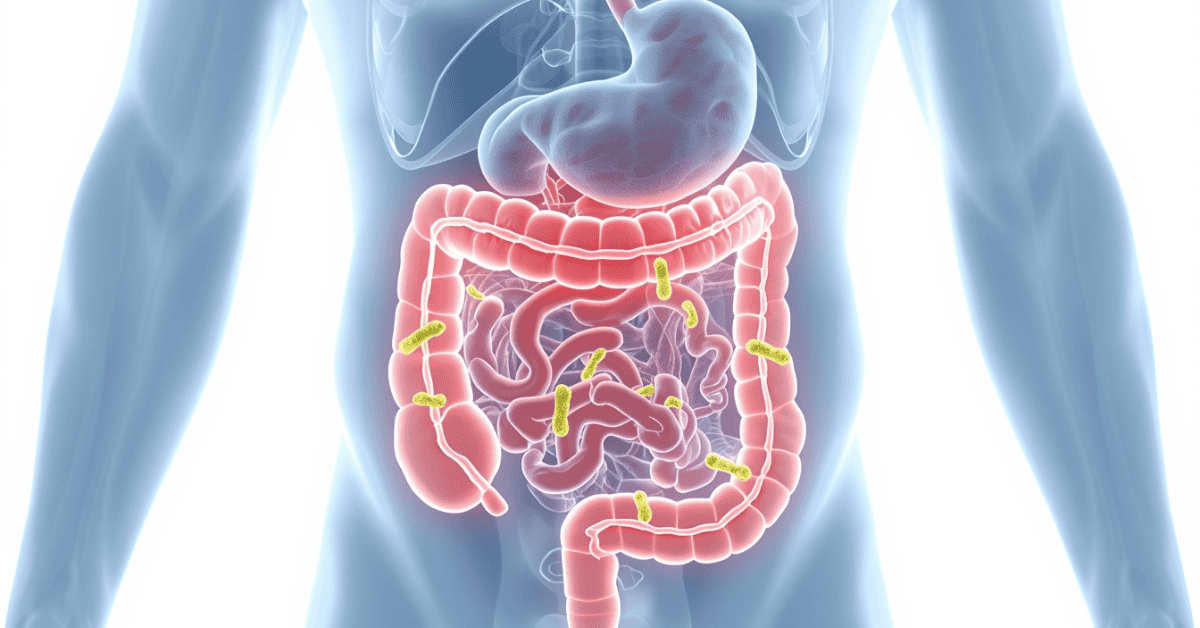
    The gut microbiome is a complex ecosystem of trillions of microorganisms that affect:

    • Nutrient absorption
    • Blood sugar regulation
    • Inflammation levels
    • Fat storage signals
    • Hunger and satiety hormones

    An imbalance (dysbiosis) may contribute to:

    • Increased fat storage
    • Cravings and irregular appetite
    • Digestive discomfort
    • Metabolic inefficiency

    LeanBiome focuses on restoring balance rather than forcing weight loss through extreme mechanisms.


    LeanBiome Ingredients Explained

    LeanBiome typically includes clinically studied components such as:

    1. Lactobacillus gasseri

    • Linked in studies to reduced visceral fat
    • Supports gut barrier function
    • Helps regulate inflammation

    2. Lactobacillus rhamnosus

    • Associated with appetite regulation
    • Supports digestive health
    • May influence fat metabolism pathways

    3. Prebiotic Fibers

    • Nourish beneficial gut bacteria
    • Improve microbial diversity
    • Support regular digestion

    4. Plant Polyphenols

    • Help reduce oxidative stress
    • Support metabolic signaling
    • Contribute to gut microbiota balance

    Important: Ingredient composition may vary slightly by batch. Always verify the label.


    How LeanBiome Is Intended to Work

    LeanBiome works through three main mechanisms:

    1. Microbiome Rebalancing
      Encourages the growth of bacteria associated with metabolic health.
    2. Inflammation Support
      Reduces low-grade gut inflammation linked to weight gain.
    3. Digestive Efficiency
      Supports nutrient processing and gut comfort, which may influence appetite signals.

    This process is gradual and depends on consistency and lifestyle factors.


    Is LeanBiome a Weight Loss Supplement?

    LeanBiome is not a fat burner, stimulant, or appetite suppressant.

    Instead, it is best described as:

    • A gut health supplement
    • A metabolic support formula
    • A microbiome-balancing product

    Any weight-related effects are considered secondary and indirect.


    Who May Consider LeanBiome

    LeanBiome may be relevant for adults who:

    • Experience digestive imbalance
    • Struggle with bloating or gut discomfort
    • Want to support metabolic health naturally
    • Are focusing on long-term weight balance

    Who Should Be Cautious

    LeanBiome may not be suitable for:

    • Pregnant or breastfeeding individuals
    • People with severe gastrointestinal conditions
    • Anyone advised otherwise by a healthcare professional

    Medical consultation is always recommended.


    Safety and Quality Considerations

    LeanBiome is generally positioned as:

    • Non-GMO
    • Free from stimulants
    • Manufactured under standard quality guidelines

    However, results and tolerance vary by individual.


    LeanBiome vs Traditional Weight Supplements

    FeatureLeanBiomeTypical Weight Supplements
    FocusGut healthFat burning
    StimulantsNoOften yes
    SpeedGradualAggressive
    Long-term approachYesOften no

    Scientific Perspective (2026 Update)

    LeanBiome

    Recent studies continue to support:

    • The gut–brain–weight connection
    • The role of probiotics in metabolic signaling
    • The importance of microbiome diversity for long-term health

    LeanBiome aligns with these evolving scientific insights.


    Frequently Asked Questions (FAQ)

    LeanBiome

    Does LeanBiome cause rapid weight loss?

    No. LeanBiome supports gut balance, not rapid fat loss.

    How long does it take to notice effects?

    Digestive changes may appear within weeks. Metabolic effects vary.

    Is LeanBiome safe for daily use?

    For most healthy adults, yes, when used as directed.

    Can LeanBiome replace diet and exercise?

    No. It is intended to complement a healthy lifestyle.

    Does LeanBiome contain caffeine or stimulants?

    No.

  • Gut Microbiome and Weight Regulation

    Gut Microbiome and Weight Regulation

    Gut bacteria and metabolic health

    Gut microbiome and weight regulation are closely connected through complex biological processes that influence digestion, metabolism, and energy balance. The gut microbiome refers to trillions of microorganisms living inside the digestive tract, playing a critical role in how the body processes food and stores energy.

    Scientific research increasingly shows that maintaining a balanced gut microbiome is essential for long-term metabolic stability and overall health.


    What Is the Gut Microbiome?

    Gut bacteria and metabolic health

    The gut microbiome consists of bacteria, fungi, and other microorganisms that live primarily in the intestines. These microorganisms assist in breaking down food, producing essential compounds, and regulating immune responses.

    A healthy gut microbiome contains a diverse range of beneficial bacteria that work together to maintain digestive efficiency and metabolic balance.


    How Gut Microbiome Affects Weight Regulation

    Gut microbiome and weight regulation are linked through several mechanisms, including nutrient absorption, fat storage signaling, and inflammation control.

    Certain gut bacteria help regulate how calories are extracted from food. An imbalance may cause the body to store more energy as fat, even without changes in calorie intake.


    Energy Harvesting and Calorie Absorption

    Gut bacteria and metabolic health

    Some gut bacteria are more efficient at extracting calories from food. When these bacteria dominate, the body may absorb more energy than needed, contributing to weight gain.

    Balanced microbial diversity helps regulate this process more effectively.


    Inflammation and Metabolic Signals

    An unhealthy gut microbiome may increase low-grade inflammation. Chronic inflammation interferes with insulin signaling and metabolic regulation, making weight management more difficult.


    Gut Bacteria and Metabolic Hormones

    Gut bacteria influence hormones such as ghrelin and leptin, which regulate hunger and satiety. When the microbiome is balanced, these hormones function more efficiently, supporting natural appetite control.


    Diet’s Role in Gut Microbiome Balance

    Diet is one of the strongest factors influencing gut microbiome and weight regulation.

    Foods that support gut health include:

    • Fiber-rich vegetables
    • Whole grains
    • Fermented foods
    • Low-sugar options

    Highly processed foods may disrupt bacterial balance.


    Lifestyle Factors That Impact Gut Health

    Stress, poor sleep, dehydration, and lack of physical activity may negatively affect gut bacteria diversity. Healthy routines support long-term digestive balance.


    ➡️ how gut bacteria affect metabolism


    Supporting Long-Term Weight Regulation Naturally

    Rather than focusing on short-term weight solutions, supporting gut microbiome balance creates a sustainable foundation for metabolic health.

    Consistency in diet, hydration, and lifestyle habits allows beneficial bacteria to thrive naturally.


    Educational Perspective on Digestive Balance

    Understanding gut microbiome and weight regulation empowers individuals to focus on prevention rather than reactive solutions. Digestive health is a long-term process influenced by daily choices.


    The Relationship Between Gut Diversity and Weight Stability

    Gut bacteria and metabolic health

    Gut microbiome and weight regulation depend not only on the presence of beneficial bacteria, but also on microbial diversity. A diverse gut microbiome allows different bacterial strains to perform specialized functions that support digestion, nutrient absorption, and metabolic signaling.

    When microbial diversity is reduced, the digestive system becomes less adaptable. This may lead to inefficient nutrient processing, increased inflammation, and metabolic instability. Supporting bacterial diversity through varied food choices helps maintain long-term weight stability.


    Gut Microbiome Adaptation Over Time

    The gut microbiome is dynamic and adapts to dietary and lifestyle changes over time. Sudden dietary shifts may temporarily disrupt bacterial balance, while gradual and consistent habits promote long-term microbiome resilience.

    Supporting gut microbiome and weight regulation requires patience and consistency rather than rapid dietary changes.


    Consistency Over Restriction

    Highly restrictive diets may reduce beneficial bacteria diversity. Sustainable dietary patterns that include fiber-rich foods and balanced nutrients help preserve microbiome health and metabolic stability.


    Why Gut Health Matters Beyond Weight

    Gut microbiome and weight regulation are part of a broader health picture. Digestive balance influences immune function, mood regulation, and energy levels. When gut bacteria are balanced, the body is better equipped to manage stress and metabolic demands.

    This holistic perspective highlights the importance of supporting gut health as a foundation for overall wellness.


    Educational Approach to Sustainable Metabolic Health

    Rather than focusing solely on weight outcomes, understanding gut microbiome and weight regulation encourages long-term lifestyle awareness. Education empowers individuals to make informed decisions that support digestive health without relying on extreme measures.

    Conclusion

    Gut microbiome and weight regulation are deeply interconnected through digestion, hormone signaling, and inflammation control. A balanced gut microbiome supports metabolic efficiency, energy regulation, and long-term wellness.

    By focusing on digestive balance through nutrition and lifestyle consistency, maintaining metabolic stability becomes a more achievable and sustainable goal over time.