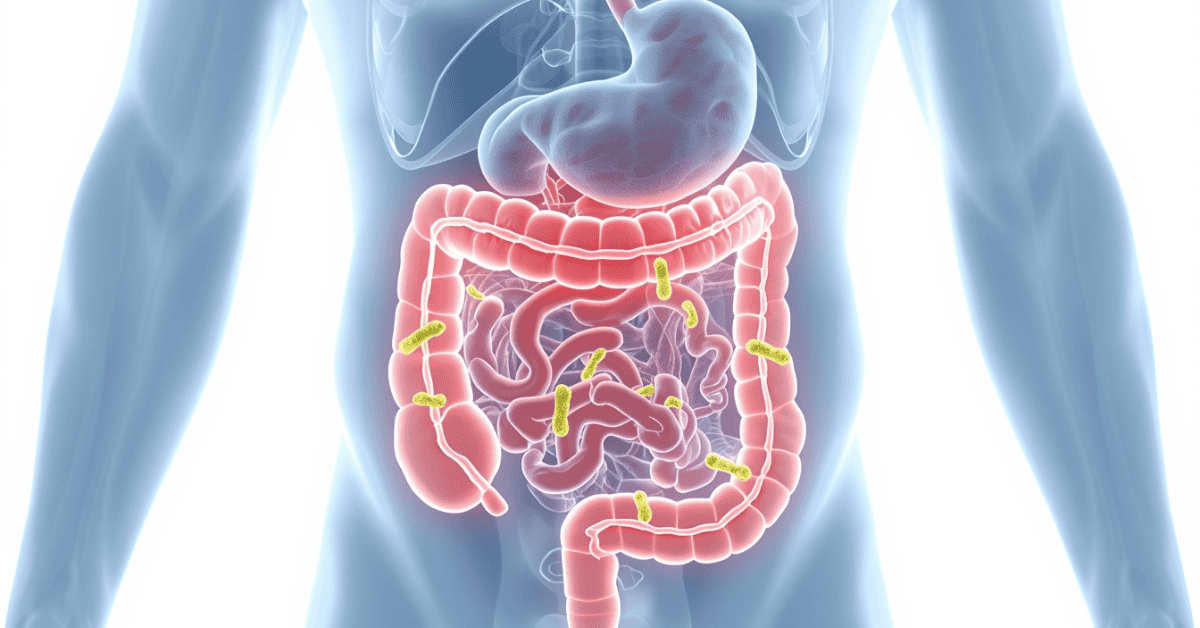
Gut bacteria and metabolic health
Gut microbiome and weight regulation are closely connected through complex biological processes that influence digestion, metabolism, and energy balance. The gut microbiome refers to trillions of microorganisms living inside the digestive tract, playing a critical role in how the body processes food and stores energy.
Scientific research increasingly shows that maintaining a balanced gut microbiome is essential for long-term metabolic stability and overall health.
What Is the Gut Microbiome?
Gut bacteria and metabolic health
The gut microbiome consists of bacteria, fungi, and other microorganisms that live primarily in the intestines. These microorganisms assist in breaking down food, producing essential compounds, and regulating immune responses.
A healthy gut microbiome contains a diverse range of beneficial bacteria that work together to maintain digestive efficiency and metabolic balance.
How Gut Microbiome Affects Weight Regulation
Gut microbiome and weight regulation are linked through several mechanisms, including nutrient absorption, fat storage signaling, and inflammation control.
Certain gut bacteria help regulate how calories are extracted from food. An imbalance may cause the body to store more energy as fat, even without changes in calorie intake.
Energy Harvesting and Calorie Absorption
Gut bacteria and metabolic health
Some gut bacteria are more efficient at extracting calories from food. When these bacteria dominate, the body may absorb more energy than needed, contributing to weight gain.
Balanced microbial diversity helps regulate this process more effectively.
Inflammation and Metabolic Signals
An unhealthy gut microbiome may increase low-grade inflammation. Chronic inflammation interferes with insulin signaling and metabolic regulation, making weight management more difficult.
Gut Bacteria and Metabolic Hormones
Gut bacteria influence hormones such as ghrelin and leptin, which regulate hunger and satiety. When the microbiome is balanced, these hormones function more efficiently, supporting natural appetite control.
Diet’s Role in Gut Microbiome Balance
Diet is one of the strongest factors influencing gut microbiome and weight regulation.
Foods that support gut health include:
- Fiber-rich vegetables
- Whole grains
- Fermented foods
- Low-sugar options
Highly processed foods may disrupt bacterial balance.
Lifestyle Factors That Impact Gut Health
Stress, poor sleep, dehydration, and lack of physical activity may negatively affect gut bacteria diversity. Healthy routines support long-term digestive balance.
➡️ how gut bacteria affect metabolism
Supporting Long-Term Weight Regulation Naturally
Rather than focusing on short-term weight solutions, supporting gut microbiome balance creates a sustainable foundation for metabolic health.
Consistency in diet, hydration, and lifestyle habits allows beneficial bacteria to thrive naturally.
Educational Perspective on Digestive Balance
Understanding gut microbiome and weight regulation empowers individuals to focus on prevention rather than reactive solutions. Digestive health is a long-term process influenced by daily choices.
The Relationship Between Gut Diversity and Weight Stability
Gut bacteria and metabolic health
Gut microbiome and weight regulation depend not only on the presence of beneficial bacteria, but also on microbial diversity. A diverse gut microbiome allows different bacterial strains to perform specialized functions that support digestion, nutrient absorption, and metabolic signaling.
When microbial diversity is reduced, the digestive system becomes less adaptable. This may lead to inefficient nutrient processing, increased inflammation, and metabolic instability. Supporting bacterial diversity through varied food choices helps maintain long-term weight stability.
Gut Microbiome Adaptation Over Time
The gut microbiome is dynamic and adapts to dietary and lifestyle changes over time. Sudden dietary shifts may temporarily disrupt bacterial balance, while gradual and consistent habits promote long-term microbiome resilience.
Supporting gut microbiome and weight regulation requires patience and consistency rather than rapid dietary changes.
Consistency Over Restriction
Highly restrictive diets may reduce beneficial bacteria diversity. Sustainable dietary patterns that include fiber-rich foods and balanced nutrients help preserve microbiome health and metabolic stability.
Why Gut Health Matters Beyond Weight
Gut microbiome and weight regulation are part of a broader health picture. Digestive balance influences immune function, mood regulation, and energy levels. When gut bacteria are balanced, the body is better equipped to manage stress and metabolic demands.
This holistic perspective highlights the importance of supporting gut health as a foundation for overall wellness.
Educational Approach to Sustainable Metabolic Health
Rather than focusing solely on weight outcomes, understanding gut microbiome and weight regulation encourages long-term lifestyle awareness. Education empowers individuals to make informed decisions that support digestive health without relying on extreme measures.
Conclusion
Gut microbiome and weight regulation are deeply interconnected through digestion, hormone signaling, and inflammation control. A balanced gut microbiome supports metabolic efficiency, energy regulation, and long-term wellness.
By focusing on digestive balance through nutrition and lifestyle consistency, maintaining metabolic stability becomes a more achievable and sustainable goal over time.