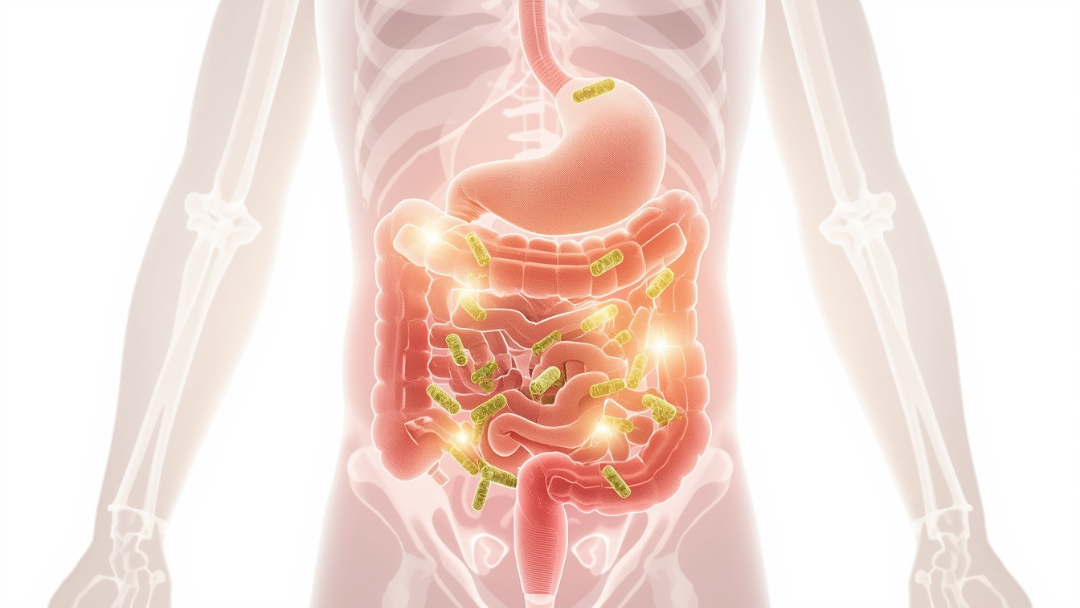
Leanbiome gut health
Gut health has become a central topic in modern wellness discussions, especially as research continues to show how the gut microbiome influences metabolism, inflammation, and overall health. LeanBiome is often mentioned in conversations about gut balance, but before discussing any product, it is essential to understand the science behind gut health and why microbiome balance matters.
This article explores the relationship between gut bacteria, metabolic health, and digestive balance from an educational perspective.
What Is the Gut Microbiome?
The gut microbiome refers to the trillions of microorganisms living inside the digestive tract. These bacteria, fungi, and microbes play a critical role in:
- Digesting food
- Absorbing nutrients
- Regulating inflammation
- Supporting immune function
- Influencing metabolism
A healthy gut microbiome contains a diverse balance of beneficial bacteria that work together to maintain internal stability.
When this balance is disrupted, digestive discomfort and metabolic challenges may appear.
How Gut Bacteria Influence Metabolism
Leanbiome gut health
Gut bacteria are directly involved in how the body processes energy. Certain bacterial strains help break down dietary fiber into short-chain fatty acids, which are linked to:
- Improved insulin sensitivity
- Reduced inflammation
- Better energy regulation
On the other hand, an imbalance in gut bacteria may interfere with metabolic signaling, making it harder for the body to regulate fat storage and energy use efficiently.
This connection explains why gut health is frequently discussed in the context of weight management and metabolic balance.
Signs of an Imbalanced Gut Microbiome
An unhealthy gut microbiome may affect more than digestion. Common signs of imbalance include:
- Bloating and gas
- Irregular bowel movements
- Low energy levels
- Sugar cravings
- Difficulty maintaining weight
These symptoms highlight how gut health extends far beyond the digestive system.
The Role of Probiotics and Prebiotics
To support gut balance, two key elements are often discussed:
Probiotics
Probiotics are beneficial bacteria that help replenish and maintain microbial diversity in the gut. They support digestion, immune health, and microbial balance.
Prebiotics
Prebiotics are fibers that feed beneficial bacteria. Without proper nourishment, healthy bacteria cannot thrive.
A combination of probiotics and prebiotics creates an environment where beneficial bacteria can grow and remain active.
Diet and Lifestyle Factors That Affect Gut Health
Leanbiome gut health
Gut balance is strongly influenced by daily habits. Factors that support a healthier microbiome include:
- Diets rich in fiber
- Reduced intake of processed foods
- Adequate hydration
- Regular sleep patterns
- Stress management
Conversely, chronic stress, poor sleep, and high-sugar diets can disrupt microbial balance.
Why Gut Balance Matters for Long-Term Wellness
Rather than focusing on short-term solutions, gut health provides a foundation for long-term wellness. A balanced microbiome supports:
- Stable metabolism
- Reduced inflammation
- Improved nutrient absorption
- Digestive comfort
Over time, these benefits contribute to overall metabolic stability and daily well-being.
Understanding LeanBiome in the Context of Gut Health
Leanbiome gut health
LeanBiome is commonly discussed as part of the broader conversation around gut balance and metabolic health. Educational discussions often focus on how gut-supporting approaches may complement lifestyle and dietary habits.
➡️ gut microbiome and metabolic health
This contextual approach helps readers understand how gut health strategies fit into a larger wellness framework.
Building Sustainable Gut Health Habits
Gut balance is not achieved overnight. Sustainable improvements come from consistent daily choices rather than isolated interventions.
Supporting gut health through education, nutrition, and lifestyle awareness helps create long-term metabolic resilience.
Conclusion
Gut health plays a fundamental role in metabolic wellness, energy regulation, and overall balance within the body. A healthy gut microbiome supports digestion, reduces inflammation, and helps maintain stable metabolic function over time.
Understanding how gut bacteria interact with diet and lifestyle empowers individuals to make informed decisions about their health. When digestive balance is prioritized, long-term wellness becomes more achievable and sustainable, creating a strong foundation for metabolic health and daily vitality.