Tag: healthy digestion

  • Gut Microbiome and Digestive Balance

    Gut Microbiome and Digestive Balance

    How a Healthy Gut Supports Digestion and Overall Wellness

    Gut Microbiome and Digestive Balance

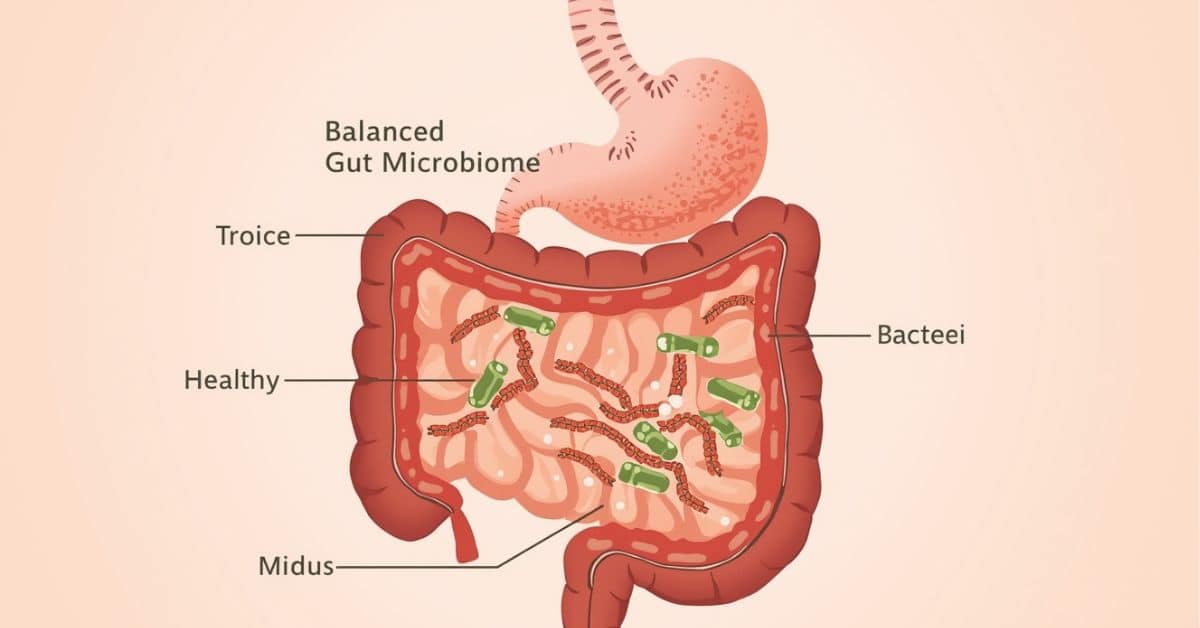
    Gut microbiome and digestive balance are closely connected and play a crucial role in how the body processes food, absorbs nutrients, and maintains internal stability. The gut microbiome refers to the trillions of microorganisms living inside the digestive tract, including beneficial bacteria that support digestion and gut function.

    When this microbial ecosystem remains balanced, digestion becomes more efficient and comfortable. When disrupted, digestive discomfort and imbalance may occur.


    What Is the Gut Microbiome?

    Gut Microbiome and Digestive Balance

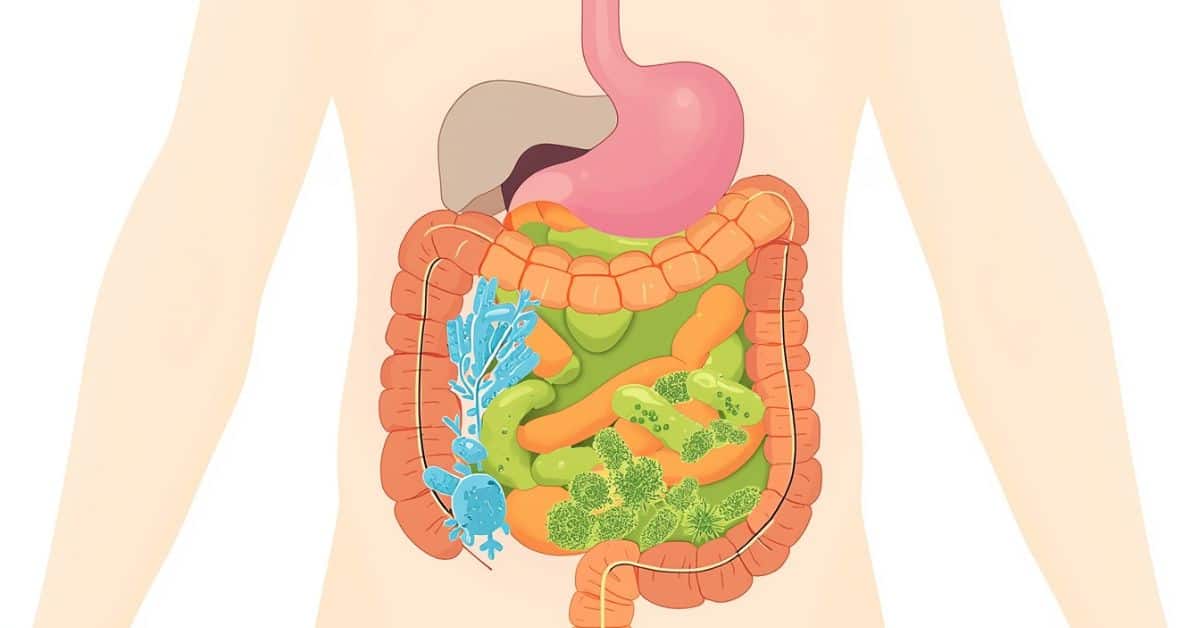
    The gut microbiome is a complex community of bacteria, fungi, and other microorganisms that live primarily in the intestines. These microorganisms help break down food, produce essential compounds, and interact with the digestive system in important ways.

    A diverse and balanced gut microbiome supports smoother digestion, while a lack of balance may interfere with how the body handles certain foods.


    Gut Microbiome and Digestive Balance Explained

    Gut microbiome and digestive balance depend on how well beneficial bacteria coexist with other microorganisms in the digestive system. Beneficial bacteria assist in breaking down fiber, supporting nutrient absorption, and maintaining gut lining integrity.

    When harmful bacteria dominate, digestion may become less efficient, leading to discomfort, bloating, or irregular digestion patterns.


    Signs of Digestive Imbalance

    Digestive imbalance may present itself through several common signs, including:

    • Occasional bloating
    • Digestive discomfort after meals
    • Irregular bowel habits
    • Sensitivity to certain foods

    These signs may indicate that the gut microbiome is not functioning optimally.

    ➡️ gut health and metabolism


    How Diet Influences Digestive Balance

    Gut Microbiome and Digestive Balance

    Diet plays a major role in shaping the gut microbiome. Diets rich in fiber and whole foods help nourish beneficial bacteria, while diets high in refined sugars and ultra-processed foods may disrupt microbial balance.

    Foods that commonly support digestive balance include:

    • Fiber-rich vegetables
    • Whole grains
    • Fermented foods
    • Hydrating foods

    Consistent dietary choices help maintain a stable digestive environment over time.


    Lifestyle Factors That Affect Digestion

    Gut Microbiome and Digestive Balance

    Beyond diet, lifestyle habits strongly influence gut microbiome and digestive balance. Stress, poor sleep, dehydration, and lack of physical activity can all impact how the digestive system functions.

    Simple habits such as staying hydrated, managing stress levels, and maintaining a regular routine help support gut stability and digestive comfort.


    Supporting Digestive Balance Long-Term

    Gut Microbiome and Digestive Balance

    Rather than focusing on quick fixes, long-term digestive balance is best supported through consistent habits. Supporting beneficial gut bacteria helps create a digestive environment that adapts more easily to daily challenges.

    Educational approaches emphasize understanding digestion as a gradual process that benefits from balance, patience, and sustainable lifestyle choices.

    ➡️ Digestive health support


    In addition to digestion, a balanced gut microbiome supports overall digestive resilience. When beneficial bacteria are present in adequate diversity, the digestive system becomes more adaptable to daily dietary changes and environmental factors. This adaptability helps the body respond better to occasional dietary challenges without significant discomfort.

    Maintaining digestive balance also supports the integrity of the gut lining. A healthy gut environment helps protect the intestinal barrier, which plays an important role in nutrient absorption and digestive comfort. When the gut lining remains strong, digestion becomes more efficient and the body is better equipped to process essential nutrients from food.

    Another important aspect of digestive balance is consistency. The gut microbiome responds positively to regular routines, including consistent meal timing, hydration, and sleep patterns. These habits support stable digestive rhythms and contribute to long-term gut comfort.

    Educational approaches to gut health emphasize understanding digestion as a dynamic and evolving process. Supporting the gut microbiome is not about achieving perfection, but about maintaining balance over time. Gradual improvements in dietary choices and daily habits can have a meaningful impact on digestive wellness.

    Conclusion

    Gut microbiome and digestive balance are fundamental to overall digestive wellness. A balanced microbial environment supports efficient digestion, nutrient absorption, and digestive comfort throughout daily life. When gut bacteria remain in harmony, the digestive system functions more smoothly and adapts better to routine challenges.

    By focusing on long-term habits such as balanced nutrition, hydration, stress management, and routine consistency, supporting digestive balance becomes more achievable and sustainable. Rather than relying on short-term approaches, prioritizing gut health helps create a stable foundation for digestive comfort and overall well-being.

  • Gut Health and Metabolism Explained

    Gut Health and Metabolism Explained

    Gut health and metabolism are closely connected through the complex ecosystem of bacteria living in the digestive system. These microorganisms, known as the gut microbiome, influence how the body processes food, stores energy, and regulates weight.

    When gut bacteria are balanced, metabolic processes tend to function more efficiently. When this balance is disrupted, metabolism may slow down, making weight management more challenging.

    Understanding the relationship between gut health and metabolism helps explain why diet and digestion play such a central role in long-term health.


    How the Gut Microbiome Affects Metabolism

    Gut Health and Metabolism

    The gut microbiome helps break down nutrients that the body cannot digest on its own. During this process, gut bacteria produce compounds that influence energy use, insulin sensitivity, and fat storage.

    Certain beneficial bacteria are associated with improved metabolic efficiency, while harmful strains may contribute to inflammation and metabolic imbalance.

    An unhealthy gut microbiome can interfere with normal metabolic signaling, affecting how calories are used or stored.

    ➡️ what is gut microbiome


    Gut Bacteria and Energy Regulation

    Gut Health and Metabolism

    Gut health and metabolism are influenced by how bacteria interact with hormones involved in appetite and energy balance. Gut bacteria help regulate hormones related to hunger and satiety, impacting how full or energized a person feels after eating.

    Imbalanced gut bacteria may disrupt these signals, leading to increased cravings, reduced energy levels, and metabolic stress over time.

    Balanced gut bacteria support smoother digestion and more stable energy release from food.


    Inflammation and Metabolic Health

    Gut Health and Metabolism

    Chronic low-grade inflammation is closely linked to metabolic issues. Harmful gut bacteria may damage the intestinal lining, allowing inflammatory compounds to enter the bloodstream.

    This inflammation can interfere with insulin sensitivity and slow metabolic processes. Supporting gut health helps reduce inflammation and supports metabolic balance naturally.


    Diet and Gut Health

    Gut Health and Metabolism

    Diet plays a critical role in shaping gut health and metabolism. Diets high in sugar and processed foods may encourage harmful bacteria, while fiber-rich foods support beneficial strains.

    Foods that support a healthy gut include:

    • Vegetables and leafy greens
    • High-fiber foods
    • Fermented foods
    • Low-sugar, whole-food diets

    Consistent dietary habits help maintain a balanced gut environment.


    Lifestyle Factors That Impact Gut Health

    Stress, poor sleep, dehydration, and lack of physical activity may negatively affect gut bacteria. These factors can disrupt digestion and metabolic balance.

    Healthy routines that support gut health include proper hydration, stress management, and regular movement.


    Supporting Long-Term Metabolic Balance

    Rather than focusing on short-term weight strategies, supporting gut health creates a foundation for healthier metabolism. A balanced gut microbiome contributes to improved digestion, stable energy levels, and long-term metabolic support.

    Educational approaches that prioritize gut balance help the body regulate itself more efficiently over time.

    ➡️ gut health support supplements


    Conclusion

    Gut health and metabolism are deeply interconnected, working together to influence how the body processes food, manages energy, and maintains overall balance. A healthy gut microbiome plays an essential role in digestion, nutrient absorption, and metabolic communication between the gut and the rest of the body. When this system functions properly, the body is better able to convert food into usable energy and maintain metabolic efficiency.

    By supporting beneficial gut bacteria through balanced nutrition, consistent lifestyle habits, and digestive awareness, the body becomes more resilient to metabolic imbalances. Dietary patterns rich in fiber, whole foods, and essential nutrients help nourish beneficial microorganisms, while regular hydration, movement, and adequate rest further support digestive stability. Over time, these habits contribute to reduced inflammation and improved metabolic responses.

    Small, sustainable changes in daily routines can have a meaningful impact on gut balance. Rather than drastic interventions, consistency is key. Supporting the gut microbiome gradually allows the digestive system to adapt and maintain equilibrium, which is essential for long-term metabolic health.

    Rather than focusing solely on short-term solutions, prioritizing gut health creates a lasting foundation for metabolic stability. A balanced digestive system supports steady energy levels, improved nutrient utilization, and overall wellness. When the gut and metabolism function in harmony, maintaining health becomes more achievable, sustainable, and aligned with long-term well-being goals.