Autor: pollyannasiqueira@gmail.com

  • LeanBiome: Gut Health, Weight Balance and What Science Explains (2026)

    LeanBiome: Gut Health, Weight Balance and What Science Explains (2026)

    LeanBiome and the Gut–Weight Connection

    LeanBiome: Gut Health, Weight Balance and What Science Explains (2026)

    LeanBiome and the Gut–Weight Connection

    Written by: Health Research Editorial Team
    Last updated: January 2026

    In 2026, scientific interest in gut health and its connection to metabolism continues to grow. LeanBiome has emerged as a microbiome-focused supplement designed to support digestive balance and long-term metabolic health.

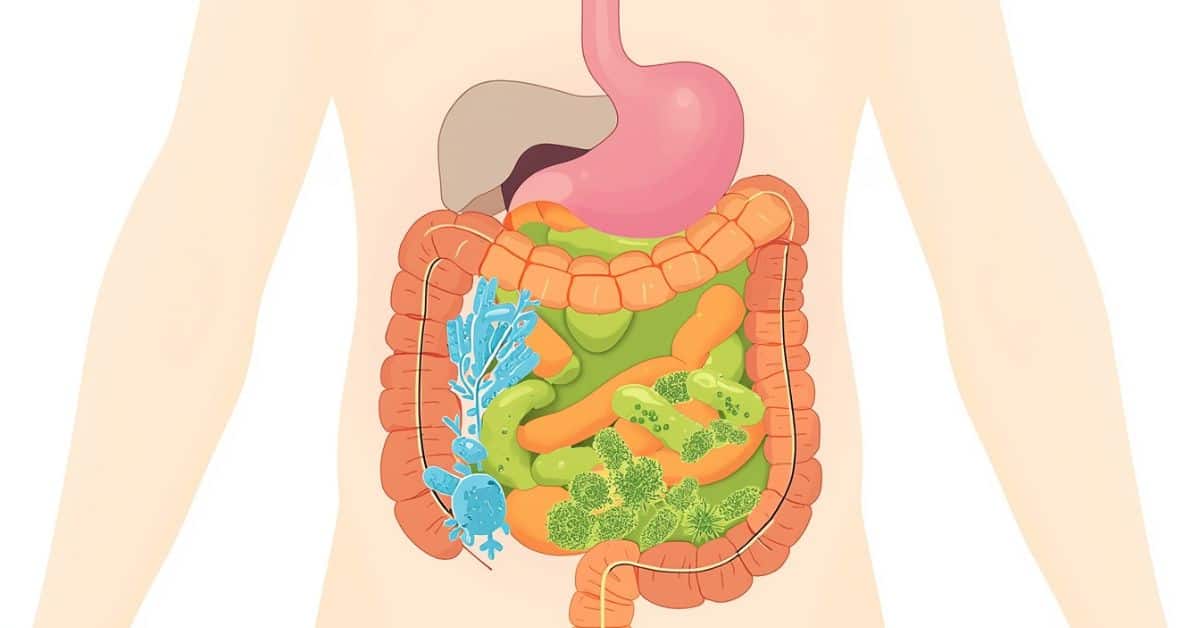
    LeanBiome is a dietary supplement formulated to support gut health through targeted probiotics and plant-based fibers. In 2026, scientific research increasingly highlights the role of the gut microbiome in metabolic balance, digestion, inflammation control, and long-term weight management.

    Rather than focusing on stimulants or appetite suppressants, LeanBiome is designed to help rebalance intestinal bacteria that influence how the body processes calories, stores fat, and regulates hunger-related hormones.

    This article explains what LeanBiome is, how it works, what science says, and who it may or may not be suitable for, using an educational and evidence-based approach.


    What Is LeanBiome?

    LeanBiome is a gut-support supplement that combines:

    • Targeted probiotics
    • Prebiotic plant fibers
    • Polyphenol-rich compounds

    Its formulation is based on studies showing that certain bacterial strains are linked to lean body composition, while others are associated with increased fat storage and inflammation.

    LeanBiome does not claim rapid weight loss. Instead, it aims to support a healthier internal environment that may indirectly help with weight balance when combined with proper diet and lifestyle habits.


    How the Gut Microbiome Influences Weight

    LeanBiome

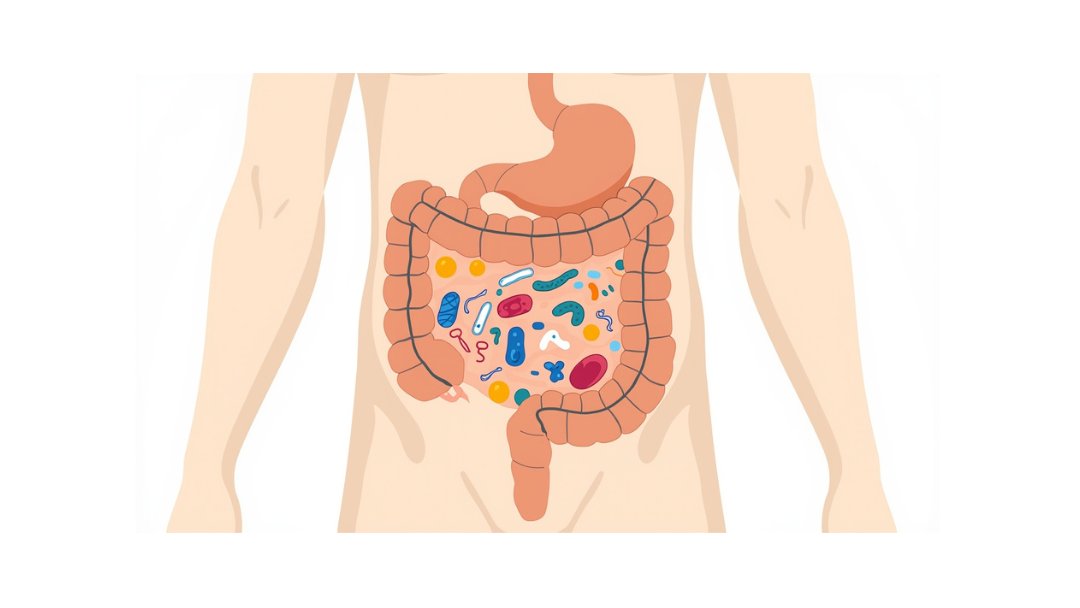
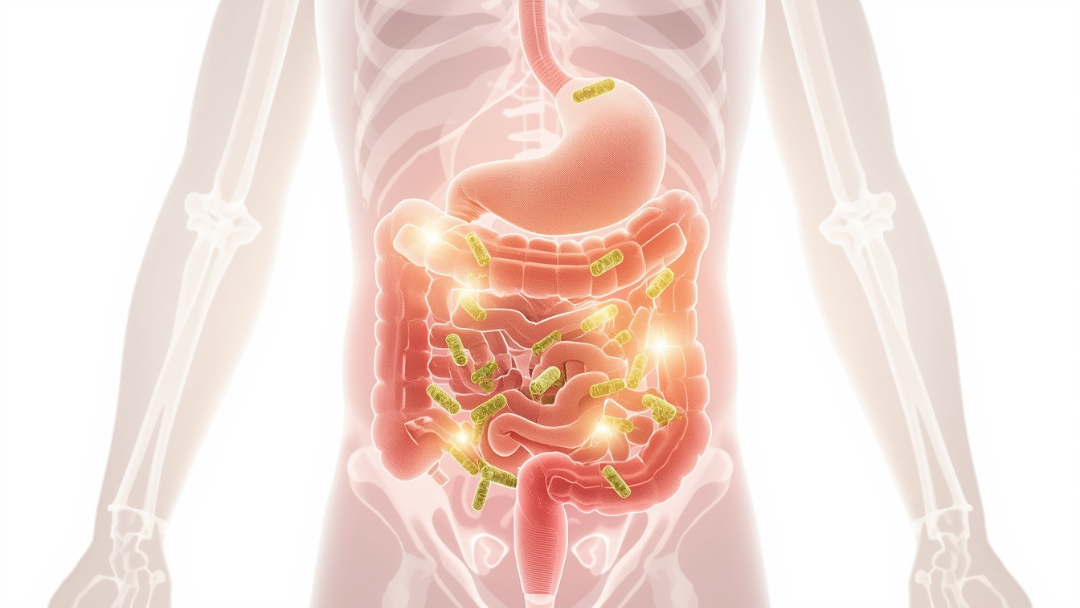
    The gut microbiome is a complex ecosystem of trillions of microorganisms that affect:

    • Nutrient absorption
    • Blood sugar regulation
    • Inflammation levels
    • Fat storage signals
    • Hunger and satiety hormones

    An imbalance (dysbiosis) may contribute to:

    • Increased fat storage
    • Cravings and irregular appetite
    • Digestive discomfort
    • Metabolic inefficiency

    LeanBiome focuses on restoring balance rather than forcing weight loss through extreme mechanisms.


    LeanBiome Ingredients Explained

    LeanBiome typically includes clinically studied components such as:

    1. Lactobacillus gasseri

    • Linked in studies to reduced visceral fat
    • Supports gut barrier function
    • Helps regulate inflammation

    2. Lactobacillus rhamnosus

    • Associated with appetite regulation
    • Supports digestive health
    • May influence fat metabolism pathways

    3. Prebiotic Fibers

    • Nourish beneficial gut bacteria
    • Improve microbial diversity
    • Support regular digestion

    4. Plant Polyphenols

    • Help reduce oxidative stress
    • Support metabolic signaling
    • Contribute to gut microbiota balance

    Important: Ingredient composition may vary slightly by batch. Always verify the label.


    How LeanBiome Is Intended to Work

    LeanBiome works through three main mechanisms:

    1. Microbiome Rebalancing
      Encourages the growth of bacteria associated with metabolic health.
    2. Inflammation Support
      Reduces low-grade gut inflammation linked to weight gain.
    3. Digestive Efficiency
      Supports nutrient processing and gut comfort, which may influence appetite signals.

    This process is gradual and depends on consistency and lifestyle factors.


    Is LeanBiome a Weight Loss Supplement?

    LeanBiome is not a fat burner, stimulant, or appetite suppressant.

    Instead, it is best described as:

    • A gut health supplement
    • A metabolic support formula
    • A microbiome-balancing product

    Any weight-related effects are considered secondary and indirect.


    Who May Consider LeanBiome

    LeanBiome may be relevant for adults who:

    • Experience digestive imbalance
    • Struggle with bloating or gut discomfort
    • Want to support metabolic health naturally
    • Are focusing on long-term weight balance

    Who Should Be Cautious

    LeanBiome may not be suitable for:

    • Pregnant or breastfeeding individuals
    • People with severe gastrointestinal conditions
    • Anyone advised otherwise by a healthcare professional

    Medical consultation is always recommended.


    Safety and Quality Considerations

    LeanBiome is generally positioned as:

    • Non-GMO
    • Free from stimulants
    • Manufactured under standard quality guidelines

    However, results and tolerance vary by individual.


    LeanBiome vs Traditional Weight Supplements

    FeatureLeanBiomeTypical Weight Supplements
    FocusGut healthFat burning
    StimulantsNoOften yes
    SpeedGradualAggressive
    Long-term approachYesOften no

    Scientific Perspective (2026 Update)

    LeanBiome

    Recent studies continue to support:

    • The gut–brain–weight connection
    • The role of probiotics in metabolic signaling
    • The importance of microbiome diversity for long-term health

    LeanBiome aligns with these evolving scientific insights.


    Frequently Asked Questions (FAQ)

    LeanBiome

    Does LeanBiome cause rapid weight loss?

    No. LeanBiome supports gut balance, not rapid fat loss.

    How long does it take to notice effects?

    Digestive changes may appear within weeks. Metabolic effects vary.

    Is LeanBiome safe for daily use?

    For most healthy adults, yes, when used as directed.

    Can LeanBiome replace diet and exercise?

    No. It is intended to complement a healthy lifestyle.

    Does LeanBiome contain caffeine or stimulants?

    No.

  • LeanBiome and the Gut Microbiome: What Science Says About Weight Management in 2026

    LeanBiome and the Gut Microbiome: What Science Says About Weight Management in 2026

    Introduction: Why Gut Health Matters More Than Ever

    LeanBiome is a natural weight management supplement designed to support gut health, metabolism balance, and long-term fat loss by improving the balance of good bacteria in the digestive system. Unlike stimulant-based weight loss products, LeanBiome focuses on restoring gut microbiome health, which science increasingly links to sustainable weight control.

    In 2026, weight management is no longer viewed as a simple matter of calories and exercise alone. Scientific research increasingly points to the gut microbiome — the trillions of bacteria living in the digestive system — as a central regulator of metabolism, inflammation, fat storage, and long-term weight balance.

    The concept behind microbiome-focused nutrition has gained attention due to its potential to support metabolic health naturally. One supplement often discussed in this context is LeanBiome, which aligns with emerging research on beneficial gut bacteria and their role in body composition.

    This article explores what modern science says about gut health, probiotics, and how microbiome support may influence weight regulation over time.


    Understanding the Gut Microbiome

    The gut microbiome consists of thousands of bacterial strains that interact with:

    • Digestive efficiency
    • Blood sugar regulation
    • Inflammation levels
    • Hormonal signaling related to hunger and satiety

    Studies suggest that individuals with imbalanced gut bacteria may experience:

    • Increased fat storage
    • Slower metabolism
    • Higher inflammation
    • Difficulty maintaining healthy weight

    Rather than eliminating bacteria, modern health strategies aim to restore balance by encouraging beneficial strains to thrive.


    The Link Between Gut Bacteria and Weight Gain

    Research published over the last decade has identified clear differences between the gut microbiomes of lean individuals and those struggling with excess weight.

    Key findings include:

    • Certain bacterial strains are associated with improved insulin sensitivity
    • Others help regulate fat absorption
    • Some microbes influence appetite hormones such as leptin and ghrelin

    When harmful bacteria dominate, the body may store energy more efficiently as fat — a survival mechanism that becomes problematic in modern lifestyles.


    Probiotics, Prebiotics, and Metabolic Health

    Probiotics

    Probiotics are live beneficial bacteria that help restore microbial balance. Specific strains have been studied for their ability to:

    • Reduce inflammation
    • Support digestion
    • Improve glucose metabolism

    Prebiotics

    Prebiotics are plant-based fibers that feed beneficial bacteria. Without them, probiotics may not survive long enough to create meaningful impact.

    A combined approach — probiotics + prebiotics — is now considered the gold standard in microbiome support.


    Where LeanBiome Fits in the Conversation

    LeanBiome is often referenced in discussions about gut-focused weight support because it combines:

    • Targeted probiotic strains
    • Prebiotic plant fibers
    • A formulation designed to support bacterial diversity

    Rather than acting as a stimulant or appetite suppressant, microbiome-based approaches aim to support long-term metabolic balance.

    Importantly, this strategy aligns with current scientific thinking: sustainable weight regulation begins in the gut, not through extreme dieting.


    Gut Health vs Traditional Weight Loss Methods

    Traditional ApproachesMicrobiome-Focused Approach
    Calorie restrictionMetabolic balance
    Short-term resultsLong-term sustainability
    Hormonal stressHormonal regulation
    High rebound riskLower rebound likelihood

    This shift explains why gut health has become a central topic in metabolic research.


    Safety and Scientific Perspective

    From a scientific standpoint:

    • Probiotic and prebiotic ingredients are generally considered safe for healthy adults
    • Effects are gradual and depend on consistency
    • Results vary based on diet, lifestyle, and existing gut health

    Medical professionals emphasize that microbiome support should be viewed as a foundation, not a miracle solution.


    Who May Benefit Most From Gut Microbiome Support?

    Microbiome-focused strategies may be especially relevant for individuals who:

    • Have tried calorie restriction without lasting success
    • Experience bloating or digestive discomfort
    • Struggle with sugar cravings
    • Notice weight gain with age despite similar habits

    Lifestyle Factors That Enhance Results

    To support gut health effectively:

    • Eat fiber-rich foods (vegetables, legumes, whole grains)
    • Limit ultra-processed foods
    • Manage stress (which directly affects gut bacteria)
    • Maintain regular sleep patterns

    Supplements are most effective when combined with supportive habits.


    The Future of Weight Management Research

    By 2026, researchers increasingly agree that:

    • Weight regulation is a biological system, not a willpower issue
    • Gut bacteria play a decisive role
    • Personalized microbiome support may shape the future of nutrition

    LeanBiome represents one example of how supplements are adapting to this scientific shift.


    Final Thoughts

    The conversation around weight management is evolving. Instead of focusing solely on restriction and intensity, modern science highlights the importance of internal balance, particularly within the gut microbiome.

    While no supplement replaces healthy habits, microbiome-supporting strategies may offer a more sustainable, body-aligned path forward. Understanding the science behind gut health empowers individuals to make informed decisions grounded in biology rather than trends.

    Editorial Note: This article is based on publicly available microbiome research, nutritional science studies, and educational health sources. It is intended for informational purposes only.


    Frequently Asked Questions About LeanBiome

    What is LeanBiome?

    LeanBiome is a gut health supplement formulated with probiotics and plant-based ingredients designed to support digestion, metabolic balance, and healthy weight management.

    How does LeanBiome support weight loss?

    LeanBiome works by improving the balance of beneficial gut bacteria, which can influence metabolism, inflammation levels, appetite regulation, and fat storage.

    Is LeanBiome safe to use daily?

    LeanBiome is generally considered safe for daily use when taken as directed. It is made with natural ingredients and does not rely on stimulants.

    How long does it take to see results?

    Some users report digestive and energy improvements within a few weeks, while visible weight-related changes may take 60 to 90 days depending on lifestyle and consistency.

    Can LeanBiome replace diet and exercise?

    No. LeanBiome is designed to support a healthy lifestyle, not replace balanced nutrition or physical activity.

    Who should avoid LeanBiome?

    Pregnant or nursing women, individuals under 18, or those with medical conditions should consult a healthcare professional before using LeanBiome.

  • Gut Bacteria and Metabolic Health: Why Microbial Balance Matters for Weight Regulation

    Gut Bacteria and Metabolic Health: Why Microbial Balance Matters for Weight Regulation

    The relationship between gut bacteria and metabolic health has gained increasing attention in scientific and wellness discussions. Research shows that the microorganisms living in the digestive system play an essential role in how the body processes food, stores energy, and regulates inflammation.

    Understanding this connection helps explain why metabolic challenges often persist even when diet and exercise are consistent.


    What Are Gut Bacteria?

    Gut bacteria are microorganisms that live throughout the digestive tract, especially in the intestines. These bacteria are part of the gut microbiome, a complex ecosystem made up of trillions of microbes.

    Healthy gut bacteria help with:

    • Breaking down complex foods
    • Supporting nutrient absorption
    • Regulating immune responses
    • Producing compounds that influence metabolism

    A diverse and balanced microbiome is considered a key marker of digestive and metabolic health.


    How Gut Bacteria Affect Metabolic Health

    Gut bacteria influence metabolism through several biological mechanisms. Certain bacterial strains help convert dietary fiber into short-chain fatty acids, which are associated with improved metabolic signaling and reduced inflammation.

    When gut bacteria are balanced, the body may:

    • Regulate blood sugar more efficiently
    • Manage energy use more effectively
    • Maintain healthier fat storage patterns

    An imbalance in gut bacteria, however, may interfere with these processes and disrupt metabolic stability.


    Gut Microbiome and Weight Regulation

    Gut bacteria and metabolic health are closely linked to weight regulation. Some bacterial profiles are associated with improved metabolic efficiency, while others may be linked to increased fat storage and inflammation.

    Factors that may influence this balance include:

    • Diet composition
    • Fiber intake
    • Stress levels
    • Sleep quality
    • Antibiotic use

    This explains why gut health is often discussed as a foundational element of long-term weight management.


    Signs of an Unbalanced Gut Microbiome

    An imbalance in gut bacteria may not always cause digestive symptoms alone. Common signs that gut health may be compromised include:

    • Bloating or discomfort
    • Irregular digestion
    • Low energy levels
    • Increased cravings
    • Difficulty maintaining weight

    These signals suggest that gut bacteria and metabolic health are interconnected beyond digestion.


    Diet’s Role in Supporting Gut and Metabolic Health

    Diet plays a central role in shaping the gut microbiome. Foods rich in fiber help nourish beneficial bacteria, while highly processed foods may encourage harmful strains.

    Foods that support gut bacteria include:

    • Vegetables and legumes
    • Whole grains
    • Fermented foods
    • Foods rich in natural prebiotics

    Consistent dietary patterns are more impactful than short-term changes.


    Lifestyle Factors That Influence Gut Balance

    Beyond diet, daily habits strongly influence gut bacteria and metabolic health. Chronic stress, poor sleep, and dehydration can negatively affect microbial balance.

    Healthy habits that support the gut include:

    • Adequate sleep
    • Stress reduction
    • Regular physical activity
    • Proper hydration

    These factors work together to create an environment where beneficial bacteria can thrive.


    Probiotics, Prebiotics, and Gut Support

    Educational discussions around gut health often mention probiotics and prebiotics. Probiotics introduce beneficial bacteria, while prebiotics act as food for those bacteria.

    When combined with healthy habits, these elements may help support microbial diversity and metabolic balance over time.

    ➡️ LINK INTERNO AQUI (informativo)
    Âncora sugerida: leanbiome gut health


    Long-Term Benefits of Supporting Gut Health

    Focusing on gut bacteria and metabolic health is a long-term strategy rather than a quick fix. A well-supported microbiome may contribute to:

    • Improved digestion
    • Reduced inflammation
    • More stable energy levels
    • Better metabolic balance

    Over time, these benefits support overall wellness and sustainable health outcomes.


    Why Gut Health Education Matters

    Understanding gut health empowers individuals to make informed decisions about diet, lifestyle, and wellness strategies. Rather than reacting to symptoms, education encourages proactive and sustainable health choices.

    Gut balance is not about perfection, but consistency.


    Conclusion

    Gut bacteria and metabolic health are deeply connected, influencing how the body processes nutrients, manages energy, and maintains balance. A diverse and healthy gut microbiome supports metabolic stability, reduces inflammation, and contributes to long-term wellness.

    By prioritizing gut-supportive habits, balanced nutrition, and lifestyle consistency, individuals can create a strong foundation for metabolic health. Over time, this approach makes weight regulation and overall wellness more achievable and sustainable.

  • LeanBiome and Gut Health: How Intestinal Balance Supports Metabolic Wellness

    LeanBiome and Gut Health: How Intestinal Balance Supports Metabolic Wellness

    Leanbiome gut health

    Gut health has become a central topic in modern wellness discussions, especially as research continues to show how the gut microbiome influences metabolism, inflammation, and overall health. LeanBiome is often mentioned in conversations about gut balance, but before discussing any product, it is essential to understand the science behind gut health and why microbiome balance matters.

    This article explores the relationship between gut bacteria, metabolic health, and digestive balance from an educational perspective.


    What Is the Gut Microbiome?

    The gut microbiome refers to the trillions of microorganisms living inside the digestive tract. These bacteria, fungi, and microbes play a critical role in:

    • Digesting food
    • Absorbing nutrients
    • Regulating inflammation
    • Supporting immune function
    • Influencing metabolism

    A healthy gut microbiome contains a diverse balance of beneficial bacteria that work together to maintain internal stability.

    When this balance is disrupted, digestive discomfort and metabolic challenges may appear.


    How Gut Bacteria Influence Metabolism

    Leanbiome gut health

    Gut bacteria are directly involved in how the body processes energy. Certain bacterial strains help break down dietary fiber into short-chain fatty acids, which are linked to:

    • Improved insulin sensitivity
    • Reduced inflammation
    • Better energy regulation

    On the other hand, an imbalance in gut bacteria may interfere with metabolic signaling, making it harder for the body to regulate fat storage and energy use efficiently.

    This connection explains why gut health is frequently discussed in the context of weight management and metabolic balance.


    Signs of an Imbalanced Gut Microbiome

    An unhealthy gut microbiome may affect more than digestion. Common signs of imbalance include:

    • Bloating and gas
    • Irregular bowel movements
    • Low energy levels
    • Sugar cravings
    • Difficulty maintaining weight

    These symptoms highlight how gut health extends far beyond the digestive system.


    The Role of Probiotics and Prebiotics

    To support gut balance, two key elements are often discussed:

    Probiotics

    Probiotics are beneficial bacteria that help replenish and maintain microbial diversity in the gut. They support digestion, immune health, and microbial balance.

    Prebiotics

    Prebiotics are fibers that feed beneficial bacteria. Without proper nourishment, healthy bacteria cannot thrive.

    A combination of probiotics and prebiotics creates an environment where beneficial bacteria can grow and remain active.


    Diet and Lifestyle Factors That Affect Gut Health

    Leanbiome gut health

    Gut balance is strongly influenced by daily habits. Factors that support a healthier microbiome include:

    • Diets rich in fiber
    • Reduced intake of processed foods
    • Adequate hydration
    • Regular sleep patterns
    • Stress management

    Conversely, chronic stress, poor sleep, and high-sugar diets can disrupt microbial balance.


    Why Gut Balance Matters for Long-Term Wellness

    Rather than focusing on short-term solutions, gut health provides a foundation for long-term wellness. A balanced microbiome supports:

    • Stable metabolism
    • Reduced inflammation
    • Improved nutrient absorption
    • Digestive comfort

    Over time, these benefits contribute to overall metabolic stability and daily well-being.


    Understanding LeanBiome in the Context of Gut Health

    Leanbiome gut health

    LeanBiome is commonly discussed as part of the broader conversation around gut balance and metabolic health. Educational discussions often focus on how gut-supporting approaches may complement lifestyle and dietary habits.

    ➡️ gut microbiome and metabolic health

    This contextual approach helps readers understand how gut health strategies fit into a larger wellness framework.


    Building Sustainable Gut Health Habits

    Leanbiome gut health

    Gut balance is not achieved overnight. Sustainable improvements come from consistent daily choices rather than isolated interventions.

    Supporting gut health through education, nutrition, and lifestyle awareness helps create long-term metabolic resilience.


    Conclusion

    Gut health plays a fundamental role in metabolic wellness, energy regulation, and overall balance within the body. A healthy gut microbiome supports digestion, reduces inflammation, and helps maintain stable metabolic function over time.

    Understanding how gut bacteria interact with diet and lifestyle empowers individuals to make informed decisions about their health. When digestive balance is prioritized, long-term wellness becomes more achievable and sustainable, creating a strong foundation for metabolic health and daily vitality.

  • Gut Microbiome and Weight Regulation

    Gut Microbiome and Weight Regulation

    Gut bacteria and metabolic health

    Gut microbiome and weight regulation are closely connected through complex biological processes that influence digestion, metabolism, and energy balance. The gut microbiome refers to trillions of microorganisms living inside the digestive tract, playing a critical role in how the body processes food and stores energy.

    Scientific research increasingly shows that maintaining a balanced gut microbiome is essential for long-term metabolic stability and overall health.


    What Is the Gut Microbiome?

    Gut bacteria and metabolic health

    The gut microbiome consists of bacteria, fungi, and other microorganisms that live primarily in the intestines. These microorganisms assist in breaking down food, producing essential compounds, and regulating immune responses.

    A healthy gut microbiome contains a diverse range of beneficial bacteria that work together to maintain digestive efficiency and metabolic balance.


    How Gut Microbiome Affects Weight Regulation

    Gut microbiome and weight regulation are linked through several mechanisms, including nutrient absorption, fat storage signaling, and inflammation control.

    Certain gut bacteria help regulate how calories are extracted from food. An imbalance may cause the body to store more energy as fat, even without changes in calorie intake.


    Energy Harvesting and Calorie Absorption

    Gut bacteria and metabolic health

    Some gut bacteria are more efficient at extracting calories from food. When these bacteria dominate, the body may absorb more energy than needed, contributing to weight gain.

    Balanced microbial diversity helps regulate this process more effectively.


    Inflammation and Metabolic Signals

    An unhealthy gut microbiome may increase low-grade inflammation. Chronic inflammation interferes with insulin signaling and metabolic regulation, making weight management more difficult.


    Gut Bacteria and Metabolic Hormones

    Gut bacteria influence hormones such as ghrelin and leptin, which regulate hunger and satiety. When the microbiome is balanced, these hormones function more efficiently, supporting natural appetite control.


    Diet’s Role in Gut Microbiome Balance

    Diet is one of the strongest factors influencing gut microbiome and weight regulation.

    Foods that support gut health include:

    • Fiber-rich vegetables
    • Whole grains
    • Fermented foods
    • Low-sugar options

    Highly processed foods may disrupt bacterial balance.


    Lifestyle Factors That Impact Gut Health

    Stress, poor sleep, dehydration, and lack of physical activity may negatively affect gut bacteria diversity. Healthy routines support long-term digestive balance.


    ➡️ how gut bacteria affect metabolism


    Supporting Long-Term Weight Regulation Naturally

    Rather than focusing on short-term weight solutions, supporting gut microbiome balance creates a sustainable foundation for metabolic health.

    Consistency in diet, hydration, and lifestyle habits allows beneficial bacteria to thrive naturally.


    Educational Perspective on Digestive Balance

    Understanding gut microbiome and weight regulation empowers individuals to focus on prevention rather than reactive solutions. Digestive health is a long-term process influenced by daily choices.


    The Relationship Between Gut Diversity and Weight Stability

    Gut bacteria and metabolic health

    Gut microbiome and weight regulation depend not only on the presence of beneficial bacteria, but also on microbial diversity. A diverse gut microbiome allows different bacterial strains to perform specialized functions that support digestion, nutrient absorption, and metabolic signaling.

    When microbial diversity is reduced, the digestive system becomes less adaptable. This may lead to inefficient nutrient processing, increased inflammation, and metabolic instability. Supporting bacterial diversity through varied food choices helps maintain long-term weight stability.


    Gut Microbiome Adaptation Over Time

    The gut microbiome is dynamic and adapts to dietary and lifestyle changes over time. Sudden dietary shifts may temporarily disrupt bacterial balance, while gradual and consistent habits promote long-term microbiome resilience.

    Supporting gut microbiome and weight regulation requires patience and consistency rather than rapid dietary changes.


    Consistency Over Restriction

    Highly restrictive diets may reduce beneficial bacteria diversity. Sustainable dietary patterns that include fiber-rich foods and balanced nutrients help preserve microbiome health and metabolic stability.


    Why Gut Health Matters Beyond Weight

    Gut microbiome and weight regulation are part of a broader health picture. Digestive balance influences immune function, mood regulation, and energy levels. When gut bacteria are balanced, the body is better equipped to manage stress and metabolic demands.

    This holistic perspective highlights the importance of supporting gut health as a foundation for overall wellness.


    Educational Approach to Sustainable Metabolic Health

    Rather than focusing solely on weight outcomes, understanding gut microbiome and weight regulation encourages long-term lifestyle awareness. Education empowers individuals to make informed decisions that support digestive health without relying on extreme measures.

    Conclusion

    Gut microbiome and weight regulation are deeply interconnected through digestion, hormone signaling, and inflammation control. A balanced gut microbiome supports metabolic efficiency, energy regulation, and long-term wellness.

    By focusing on digestive balance through nutrition and lifestyle consistency, maintaining metabolic stability becomes a more achievable and sustainable goal over time.

  • Gut Microbiome and Digestive Balance

    Gut Microbiome and Digestive Balance

    How a Healthy Gut Supports Digestion and Overall Wellness

    Gut Microbiome and Digestive Balance

    Gut microbiome and digestive balance are closely connected and play a crucial role in how the body processes food, absorbs nutrients, and maintains internal stability. The gut microbiome refers to the trillions of microorganisms living inside the digestive tract, including beneficial bacteria that support digestion and gut function.

    When this microbial ecosystem remains balanced, digestion becomes more efficient and comfortable. When disrupted, digestive discomfort and imbalance may occur.


    What Is the Gut Microbiome?

    Gut Microbiome and Digestive Balance

    The gut microbiome is a complex community of bacteria, fungi, and other microorganisms that live primarily in the intestines. These microorganisms help break down food, produce essential compounds, and interact with the digestive system in important ways.

    A diverse and balanced gut microbiome supports smoother digestion, while a lack of balance may interfere with how the body handles certain foods.


    Gut Microbiome and Digestive Balance Explained

    Gut microbiome and digestive balance depend on how well beneficial bacteria coexist with other microorganisms in the digestive system. Beneficial bacteria assist in breaking down fiber, supporting nutrient absorption, and maintaining gut lining integrity.

    When harmful bacteria dominate, digestion may become less efficient, leading to discomfort, bloating, or irregular digestion patterns.


    Signs of Digestive Imbalance

    Digestive imbalance may present itself through several common signs, including:

    • Occasional bloating
    • Digestive discomfort after meals
    • Irregular bowel habits
    • Sensitivity to certain foods

    These signs may indicate that the gut microbiome is not functioning optimally.

    ➡️ gut health and metabolism


    How Diet Influences Digestive Balance

    Gut Microbiome and Digestive Balance

    Diet plays a major role in shaping the gut microbiome. Diets rich in fiber and whole foods help nourish beneficial bacteria, while diets high in refined sugars and ultra-processed foods may disrupt microbial balance.

    Foods that commonly support digestive balance include:

    • Fiber-rich vegetables
    • Whole grains
    • Fermented foods
    • Hydrating foods

    Consistent dietary choices help maintain a stable digestive environment over time.


    Lifestyle Factors That Affect Digestion

    Gut Microbiome and Digestive Balance

    Beyond diet, lifestyle habits strongly influence gut microbiome and digestive balance. Stress, poor sleep, dehydration, and lack of physical activity can all impact how the digestive system functions.

    Simple habits such as staying hydrated, managing stress levels, and maintaining a regular routine help support gut stability and digestive comfort.


    Supporting Digestive Balance Long-Term

    Gut Microbiome and Digestive Balance

    Rather than focusing on quick fixes, long-term digestive balance is best supported through consistent habits. Supporting beneficial gut bacteria helps create a digestive environment that adapts more easily to daily challenges.

    Educational approaches emphasize understanding digestion as a gradual process that benefits from balance, patience, and sustainable lifestyle choices.

    ➡️ Digestive health support


    In addition to digestion, a balanced gut microbiome supports overall digestive resilience. When beneficial bacteria are present in adequate diversity, the digestive system becomes more adaptable to daily dietary changes and environmental factors. This adaptability helps the body respond better to occasional dietary challenges without significant discomfort.

    Maintaining digestive balance also supports the integrity of the gut lining. A healthy gut environment helps protect the intestinal barrier, which plays an important role in nutrient absorption and digestive comfort. When the gut lining remains strong, digestion becomes more efficient and the body is better equipped to process essential nutrients from food.

    Another important aspect of digestive balance is consistency. The gut microbiome responds positively to regular routines, including consistent meal timing, hydration, and sleep patterns. These habits support stable digestive rhythms and contribute to long-term gut comfort.

    Educational approaches to gut health emphasize understanding digestion as a dynamic and evolving process. Supporting the gut microbiome is not about achieving perfection, but about maintaining balance over time. Gradual improvements in dietary choices and daily habits can have a meaningful impact on digestive wellness.

    Conclusion

    Gut microbiome and digestive balance are fundamental to overall digestive wellness. A balanced microbial environment supports efficient digestion, nutrient absorption, and digestive comfort throughout daily life. When gut bacteria remain in harmony, the digestive system functions more smoothly and adapts better to routine challenges.

    By focusing on long-term habits such as balanced nutrition, hydration, stress management, and routine consistency, supporting digestive balance becomes more achievable and sustainable. Rather than relying on short-term approaches, prioritizing gut health helps create a stable foundation for digestive comfort and overall well-being.

  • Gut Health and Metabolism Explained

    Gut Health and Metabolism Explained

    Gut health and metabolism are closely connected through the complex ecosystem of bacteria living in the digestive system. These microorganisms, known as the gut microbiome, influence how the body processes food, stores energy, and regulates weight.

    When gut bacteria are balanced, metabolic processes tend to function more efficiently. When this balance is disrupted, metabolism may slow down, making weight management more challenging.

    Understanding the relationship between gut health and metabolism helps explain why diet and digestion play such a central role in long-term health.


    How the Gut Microbiome Affects Metabolism

    Gut Health and Metabolism

    The gut microbiome helps break down nutrients that the body cannot digest on its own. During this process, gut bacteria produce compounds that influence energy use, insulin sensitivity, and fat storage.

    Certain beneficial bacteria are associated with improved metabolic efficiency, while harmful strains may contribute to inflammation and metabolic imbalance.

    An unhealthy gut microbiome can interfere with normal metabolic signaling, affecting how calories are used or stored.

    ➡️ what is gut microbiome


    Gut Bacteria and Energy Regulation

    Gut Health and Metabolism

    Gut health and metabolism are influenced by how bacteria interact with hormones involved in appetite and energy balance. Gut bacteria help regulate hormones related to hunger and satiety, impacting how full or energized a person feels after eating.

    Imbalanced gut bacteria may disrupt these signals, leading to increased cravings, reduced energy levels, and metabolic stress over time.

    Balanced gut bacteria support smoother digestion and more stable energy release from food.


    Inflammation and Metabolic Health

    Gut Health and Metabolism

    Chronic low-grade inflammation is closely linked to metabolic issues. Harmful gut bacteria may damage the intestinal lining, allowing inflammatory compounds to enter the bloodstream.

    This inflammation can interfere with insulin sensitivity and slow metabolic processes. Supporting gut health helps reduce inflammation and supports metabolic balance naturally.


    Diet and Gut Health

    Gut Health and Metabolism

    Diet plays a critical role in shaping gut health and metabolism. Diets high in sugar and processed foods may encourage harmful bacteria, while fiber-rich foods support beneficial strains.

    Foods that support a healthy gut include:

    • Vegetables and leafy greens
    • High-fiber foods
    • Fermented foods
    • Low-sugar, whole-food diets

    Consistent dietary habits help maintain a balanced gut environment.


    Lifestyle Factors That Impact Gut Health

    Stress, poor sleep, dehydration, and lack of physical activity may negatively affect gut bacteria. These factors can disrupt digestion and metabolic balance.

    Healthy routines that support gut health include proper hydration, stress management, and regular movement.


    Supporting Long-Term Metabolic Balance

    Rather than focusing on short-term weight strategies, supporting gut health creates a foundation for healthier metabolism. A balanced gut microbiome contributes to improved digestion, stable energy levels, and long-term metabolic support.

    Educational approaches that prioritize gut balance help the body regulate itself more efficiently over time.

    ➡️ gut health support supplements


    Conclusion

    Gut health and metabolism are deeply interconnected, working together to influence how the body processes food, manages energy, and maintains overall balance. A healthy gut microbiome plays an essential role in digestion, nutrient absorption, and metabolic communication between the gut and the rest of the body. When this system functions properly, the body is better able to convert food into usable energy and maintain metabolic efficiency.

    By supporting beneficial gut bacteria through balanced nutrition, consistent lifestyle habits, and digestive awareness, the body becomes more resilient to metabolic imbalances. Dietary patterns rich in fiber, whole foods, and essential nutrients help nourish beneficial microorganisms, while regular hydration, movement, and adequate rest further support digestive stability. Over time, these habits contribute to reduced inflammation and improved metabolic responses.

    Small, sustainable changes in daily routines can have a meaningful impact on gut balance. Rather than drastic interventions, consistency is key. Supporting the gut microbiome gradually allows the digestive system to adapt and maintain equilibrium, which is essential for long-term metabolic health.

    Rather than focusing solely on short-term solutions, prioritizing gut health creates a lasting foundation for metabolic stability. A balanced digestive system supports steady energy levels, improved nutrient utilization, and overall wellness. When the gut and metabolism function in harmony, maintaining health becomes more achievable, sustainable, and aligned with long-term well-being goals.

  • Gut microbiome and weight management explained

    Gut microbiome and weight management explained

    Gut microbiome and weight management have become closely connected topics in modern health research. The gut microbiome refers to the trillions of microorganisms living in the digestive tract, including bacteria, fungi, and other microbes that play an essential role in digestion and metabolic processes.

    Research suggests that the balance of these microorganisms may influence how the body processes nutrients, stores fat, and regulates appetite, making gut health an important factor in weight management.


    What is the gut microbiome?

    To understand gut microbiome and weight management, it is important to first define the gut microbiome. It consists of a complex ecosystem of microorganisms that assist in breaking down food, absorbing nutrients, and supporting normal bodily functions.

    A diverse and balanced gut microbiome helps maintain efficient digestion, while imbalances—often referred to as dysbiosis—may disrupt metabolic processes.


    Gut microbiome and weight management: the metabolic connection

    One reason gut microbiome and weight management are linked is metabolism. Certain gut bacteria help extract energy from food and influence how calories are utilized by the body.

    When the microbiome is balanced, metabolic efficiency tends to improve. However, an imbalanced microbiome may affect how energy is stored, potentially influencing body composition over time.

    👉article about metabolism and gut health


    Role of gut bacteria in digestion

    Gut bacteria play a direct role in digesting complex carbohydrates and fibers that the human body cannot break down on its own. These processes produce compounds that support digestive health and influence energy balance.

    Understanding gut microbiome and weight management involves recognizing how digestion efficiency may impact overall calorie processing and nutrient absorption.


    Factors that influence gut microbiome balance

    Several lifestyle factors can affect the gut microbiome, including:

    • Dietary habits
    • Fiber intake
    • Stress levels
    • Sleep quality
    • Use of antibiotics

    These factors may indirectly influence gut microbiome and weight management by altering bacterial diversity and balance.


    Gut microbiome diversity and long-term health

    A diverse microbiome is often associated with better digestive resilience and metabolic stability. Diversity allows the gut ecosystem to adapt more effectively to dietary changes and environmental factors.

    From an educational standpoint, gut microbiome and weight management are best understood as part of a broader system that supports overall wellness rather than a single isolated factor.


    Scientific interest in gut microbiome and weight management

    The relationship between gut microbiome and weight management continues to be explored in scientific research. Studies focus on how microbial balance may influence appetite regulation, inflammation, and metabolic signaling.


    Understanding gut health from an educational perspective

    Learning about gut microbiome and weight management helps individuals better understand how internal biological systems respond to lifestyle choices. This knowledge supports informed decision-making regarding nutrition and wellness habits.

    👉 article explaining what gut microbiota is


    Conclusion

    In summary, gut microbiome and weight management are closely connected through digestion, metabolism, and nutrient processing. A balanced gut ecosystem supports normal metabolic functions, while imbalances may affect how the body handles energy over time.


    Beyond metabolism, the gut microbiome represents one of the most dynamic systems in the human body. Its ability to adapt to dietary patterns and lifestyle changes highlights why gut microbiome and weight management are increasingly discussed in health education.

    By understanding how gut bacteria interact with digestion and energy regulation, readers gain a broader perspective on the role of internal balance in overall wellness. This educational approach reinforces the importance of long-term habits rather than short-term solutions.

    Exploring gut microbiome and weight management from a scientific and informational standpoint allows for a clearer understanding of how gut health fits into the larger picture of human physiology and metabolic health.

  • Gut Bacteria and Metabolism: How the Microbiome Controls Energy and Fat Burning

    Gut Bacteria and Metabolism: How the Microbiome Controls Energy and Fat Burning

    Gut bacteria and metabolism play a crucial role in how the body processes food, produces energy, and stores fat. The gut microbiome is made up of trillions of microorganisms that actively participate in metabolic regulation. When these bacteria are balanced, metabolism functions efficiently. When gut bacteria are imbalanced, metabolic slowdown and weight gain may occur even with proper diet and exercise.

    Understanding the connection between gut bacteria and metabolism helps explain why some people struggle with low energy levels and difficulty losing weight.


    What Are Gut Bacteria?

    Gut bacteria and metabolism

    Gut bacteria are microorganisms that live primarily in the intestines and assist with digestion and nutrient absorption. These bacteria break down complex carbohydrates, fibers, and other compounds that the human body cannot digest alone. During this process, they produce substances that influence metabolic activity and overall health.

    A diverse and balanced gut bacterial environment supports efficient metabolism and stable energy levels.


    How Gut Bacteria Affect Metabolism

    Gut bacteria influence metabolism by regulating how calories are extracted from food. Certain bacterial strains help the body burn energy more effectively, while others may increase fat storage when present in excess.

    An imbalance in gut bacteria and metabolism can lead to:

    • Slower metabolic rate
    • Increased fat storage
    • Poor appetite regulation
    • Blood sugar instability

    Âncora sugerida: how gut microbiota affects weight loss


    Gut Bacteria, Insulin, and Blood Sugar

    Gut bacteria and metabolism are also connected through insulin sensitivity. Healthy gut bacteria help regulate glucose absorption and insulin response. When gut health is compromised, insulin resistance may increase, making it harder for the body to use glucose for energy.

    This process often leads to higher blood sugar levels and increased fat accumulation.


    Inflammation and Metabolic Dysfunction

    Gut bacteria and metabolism

    Harmful gut bacteria release toxins that trigger chronic inflammation. This inflammation interferes with metabolic signaling and reduces the body’s ability to burn fat efficiently. Over time, inflammation contributes to fatigue, weight gain, and metabolic imbalance.

    Maintaining healthy gut bacteria helps reduce inflammation and supports metabolic stability.


    Diet and Gut Bacteria Balance

    Diet is one of the most powerful factors influencing gut bacteria and metabolism. Diets high in fiber promote beneficial bacteria, while diets rich in processed foods and sugar reduce bacterial diversity.

    Foods that support healthy gut bacteria include:

    • Vegetables and legumes
    • Whole grains
    • Fermented foods
    • Prebiotic fibers

    Consistent dietary habits are more effective than short-term changes.


    Lifestyle Factors That Influence Metabolism

    Sleep quality, stress levels, and physical activity all impact gut bacteria composition. Poor sleep and chronic stress reduce beneficial bacteria, while regular physical activity supports microbial diversity and metabolic health.

    A balanced lifestyle supports both gut bacteria and metabolism naturally.


    Supporting Metabolism Through Gut Health

    Rather than focusing only on calorie restriction, improving gut bacteria helps regulate metabolism from within. Supporting the microbiome creates an internal environment that promotes energy efficiency and long-term weight control.


    Gut health supplements


    Conclusion

    Gut bacteria and metabolism are deeply interconnected. A healthy gut microbiome supports efficient energy use, stable blood sugar levels, and reduced inflammation. By prioritizing gut health through diet and lifestyle habits, metabolic function can improve naturally and sustainably over time.

    Gut Bacteria Diversity and Metabolic Efficiency

    Gut bacteria and metabolism are strongly influenced by bacterial diversity. A diverse gut microbiome allows different bacterial strains to perform specialized metabolic functions, such as breaking down fibers, producing short-chain fatty acids, and regulating energy balance. When diversity is low, metabolic processes become less efficient, increasing the likelihood of fat storage and energy imbalance.

    Research suggests that individuals with higher gut bacterial diversity tend to have better metabolic flexibility, meaning their bodies can switch more efficiently between burning carbohydrates and fats for energy. This flexibility is essential for long-term metabolic health and weight stability.

    Modern lifestyles, including highly processed diets and sedentary habits, often reduce gut bacterial diversity. Restoring this diversity through consistent dietary and lifestyle choices supports healthier gut bacteria and metabolism over time.

  • Gut Microbiota and Weight Loss: How Your Gut Affects Metabolism

    Gut Microbiota and Weight Loss: How Your Gut Affects Metabolism

    Gut microbiota and weight loss are closely connected, even though many people are unaware of how strongly gut health can influence body composition. The gut microbiota consists of trillions of microorganisms living in the digestive tract, playing a fundamental role in digestion, metabolism, inflammation control, and energy regulation.

    Recent scientific research shows that an imbalanced gut microbiome may contribute to weight gain and make weight loss more difficult, even when diet and physical activity are well managed.


    What Is Gut Microbiota?

    Gut microbiota refers to the community of bacteria, fungi, and other microorganisms that reside mainly in the intestines. These microorganisms are essential for maintaining digestive health and overall metabolic balance.

    A healthy gut microbiota helps the body:

    • Break down complex carbohydrates and fibers
    • Absorb nutrients efficiently
    • Produce vitamins such as B vitamins and vitamin K
    • Regulate immune system responses
    • Maintain metabolic stability

    When this ecosystem is balanced, the body functions more efficiently. When it is disrupted, several health issues may arise.


    Gut Microbiota and Weight Loss: How They Are Connected

    The relationship between gut microbiota and weight loss is linked to how gut bacteria influence metabolism and fat storage. Certain bacterial strains are associated with increased energy extraction from food, while others help regulate appetite and reduce inflammation.

    An unhealthy gut microbiome may:

    • Slow down metabolic processes
    • Increase insulin resistance
    • Promote chronic low-grade inflammation
    • Alter hunger and satiety hormones

    These factors can make it harder for the body to burn fat effectively.


    How Gut Microbiota Affects Metabolism

    Gut Microbiota and Weight Loss

    Gut bacteria interact directly with metabolic pathways. They influence how calories are processed and how fat is stored or used for energy.

    Studies suggest that individuals with reduced microbial diversity often experience:

    • Slower metabolic rates
    • Increased fat accumulation
    • Difficulty maintaining a healthy weight

    This explains why two people with similar diets may experience very different weight loss results.


    Common Causes of Gut Microbiota Imbalance

    Gut Microbiota and Weight Loss

    Several lifestyle factors can negatively impact gut health, including:

    • Diets low in fiber
    • High consumption of processed foods and sugar
    • Frequent antibiotic use
    • Chronic stress
    • Poor sleep quality

    Over time, these factors disrupt bacterial balance, affecting metabolism and weight regulation.


    Can Improving Gut Health Support Weight Loss?

    Gut Microbiota and Weight Loss

    Improving gut health may support gut microbiota and weight loss by restoring balance and reducing inflammation. Common strategies include:

    • Increasing fiber intake from fruits, vegetables, and whole grains
    • Consuming fermented foods
    • Managing stress levels
    • Prioritizing sleep consistency

    Some individuals also explore targeted approaches such as gut-focused nutritional strategies designed to support microbial balance.


    Why Gut Health Matters Beyond Weight Loss

    Beyond weight management, a balanced gut microbiota supports:

    • Digestive comfort
    • Immune health
    • Hormonal balance
    • Overall well-being

    This highlights why gut health is considered a foundation of long-term metabolic health.

     Supplements designed to support gut health


    Conclusion

    The connection between gut microbiota and weight loss is supported by growing scientific evidence. A healthy gut plays a crucial role in metabolism, inflammation control, and energy regulation. Supporting gut balance may help create better conditions for sustainable weight management and overall health.


    Frequently Asked Questions

    Can gut microbiota imbalance prevent weight loss?
    Yes. An imbalanced gut may slow metabolism and disrupt appetite regulation.

    Is gut health important even with a good diet?
    Yes. Gut health influences how effectively the body uses nutrients and energy.

    The Long-Term Impact of Gut Microbiota on Weight Management

    Understanding the relationship between gut microbiota and weight loss is not only important for short-term results, but also for long-term weight management. A balanced gut microbiome helps stabilize metabolic processes over time, reducing the likelihood of weight regain after initial loss.

    When gut bacteria diversity is maintained, the body becomes more efficient at regulating blood sugar levels, managing inflammation, and responding to hunger signals. This creates a more stable internal environment, making it easier to maintain healthy habits and consistent body weight.

    On the other hand, ignoring gut health may lead to recurring cycles of weight loss and regain, often referred to as “yo-yo dieting.” This pattern is frequently associated with metabolic imbalance and chronic inflammation, both of which are influenced by gut microbiota composition.

    For this reason, many health professionals emphasize that sustainable weight management should focus not only on calorie intake and physical activity, but also on supporting gut health through nutrition, lifestyle, and long-term consistency.